What is Brand Experience? How to create a excellent brand experience

Positive brand experiences have a strong impact on consumers' purchasing decisions. Therefore, large companies invest in developing brand experiences to increase recognition and impress the largest number of target customers.

What is brand experience?
Brand experience is the sum of all consumer feelings, thoughts, emotions, and reactions to a brand.
Brand experience is not limited to a single channel or medium. Furthermore, it is the long-term impression of potential or current customers after learning about or interacting with your brand at any touchpoint: purchasing process, product packaging, customer service, the feeling of entering the store, interacting with the product online...
Since the Covid-19 pandemic, the Internet environment has become a "golden land" for businesses to build and maintain interactions with customers.
According to We Are Social, the number of Vietnamese shopping online has surpassed 51 million, an increase of 13.5% over the same period last year; total spending on online shopping has reached 12.42 billion USD.
To stay ahead of the competition, creating a consistent brand experience across all channels is essential. This means that some face-to-face interactions will have to be replaced with interactive digital interactions.
Why is brand experience important?
Brand experiences are excellent for raising brand awareness and fostering customer loyalty. From this point forward, the brand gradually becomes "top of mind" and the preferred choice when they have shopping needs.
A positive brand experience lays the groundwork for long-term customer relationships, improving brand reputation, and increasing CLV for businesses.
How to create a great brand experience
1. Paying attention to every customer's senses
The legendary Philip Kotler once predicted that marketing is more than just a conversation between a brand and a consumer; it is a sensory experience. This is especially true when many brands attempt to "monopolize" consumers' minds by interacting with them through all five senses.
Starbucks, for example, has made a big impression on millions of customers at over 7100 stores around the world thanks to the distinct aroma of freshly roasted coffee. Not only that, but Starbucks has a team of people dedicated to researching and ensuring the scent is always appealing. Customers find it difficult to resist the "impossibility" of entering the store once their senses are awakened.
2. Organize/participate in events
Organizing or sponsoring media events is another excellent way to raise brand awareness, gain attention, and build customer loyalty through large-scale engagement activities.
In 2019, for example, the brand “Revive ChanhMuối hosted an event called "Cứu nóng thần tượng" The event, which took advantage of the summer weather in two major cities, Hanoi and Da Nang, assisted the brand in successfully reaching out to consumers. used both functionally and emotionally.
3. Personalize the message
While brands have been attempting to tell their own stories, they should also become a part of the customer's story. Marketers can achieve both of these goals while also gaining consumer trust by prioritizing personalization in the brand experience.
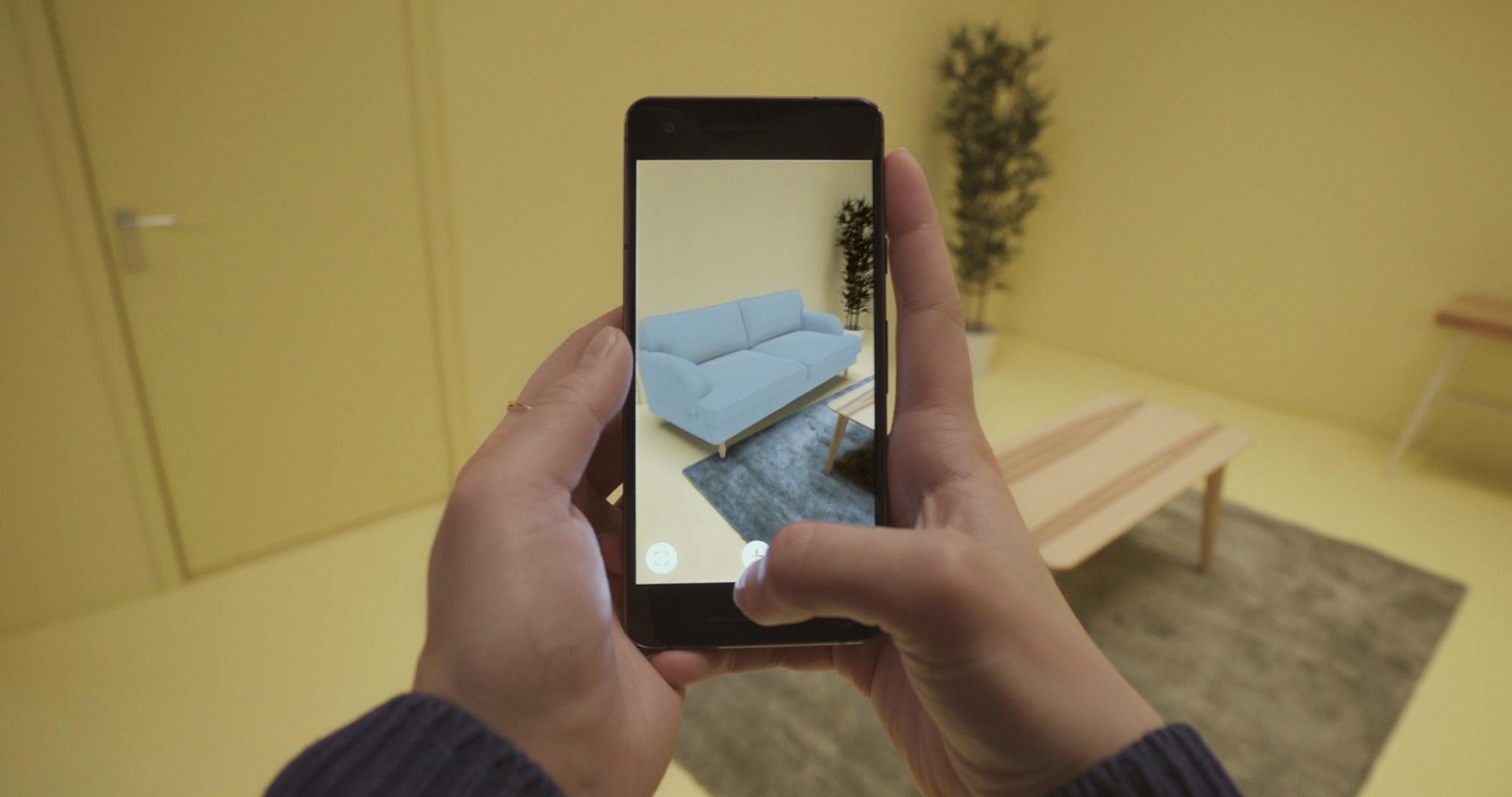
The technological boom has paved the way for businesses to personalize the brand experience for each customer. IKEA is a prime example of a company that uses augmented reality (AR) technology to help online shoppers visualize what products would look like in a physical space.
The market is becoming more competitive, new brands are emerging, and consumers are becoming more demanding. As a result, they always expect to see the innovation and care that the brand experience can bring.
TOP Group develops numerous programs (events), designs, websites, gamification, and entertainment that incorporate AR/VR/XR technology into marketing and advertising to improve customers' brand experiences with businesses.
If you need more advice, we're always here: hello@wearetopgroup.com